

The MARCIS tool has been launched
Seabirds are being pushed to the brink by human activity at sea. Now, researchers working closely with industry have developed a new tool designed to support better coexistence between seabirds and commercial activities in Norwegian waters.
This bulletin was first published by the Norwegian Institute for Nature Research on January 15th, 2026
Pushed to the Edge
One hundred and fifty years ago, seabirds lived in a very different coastal environment from the one we know today. The ocean was vast, limitless and largely untouched. Species were abundant, colonies were large, and fish stocks were rich. Today, humans occupy an ever-growing share of marine space, and the ocean is no longer the seabirds’ domain. Rising demand for energy and food production is driving more industries offshore.
– It’s not a single wind turbine, oil platform or trawler that is the problem. It’s the cumulative impact of everything humans do at sea that affects our seabirds, says Tone Reiertsen, researcher at the Norwegian Institute for Nature Research (NINA).
The consequences are severe. Eight out of ten seabirds in Norway have disappeared since the 1970s. Species such as the common guillemot, Atlantic puffin, razorbill, Arctic tern and black-legged kittiwake now face a high to extremely high risk of extinction in Norway if current trends continue.
Mapping Pressures – Species by Species
In response, researchers and partners from industry have developed a tool that makes it possible to accommodate both seabirds and industrial activity in Norwegian marine areas.
– The tool is a digital map that shows where seabirds are distributed and where different types of industrial activities take place. This allows new activities to be planned in areas that are least important for seabirds, says Frank Hanssen, senior engineer at NINA.
The mapping tool is based on extensive datasets collected over the past forty years. It provides detailed insight into which marine areas are most important for seabirds, and which human pressures — including climate change — have the greatest impact.
Revealing Climate ‘Hotspots’ at Sea
Through this work, researchers have identified overlaps between seabird distributions and ocean areas that are warming faster than others. When such climate “hotspots” coincide with key breeding and feeding areas, seabird survival and reproduction are affected far more severely.
– Findings like these clearly show the importance of using all available knowledge when planning future human activities in our marine areas, says Kate Layton-Matthews, researcher at NINA.
First of Its Kind
Due to its scale and level of detail, the tool is considered the first of its kind.
– This has never been done before with so many species and so many colonies. We can actually show how each individual population is affected by human activity both during and outside of the breeding season, says Reiertsen.
The new innovation is at the forefront internationally among tools that support sustainable coexistence between people and seabirds at sea.
– Coexistence and sustainability are fundamental to all our offshore activities. That’s why this kind of knowledge and research is essential for finding the solutions we need, says Hanne Wigum, Head of Offshore Wind Concepts at Equinor.
Read about the MARCIS tool
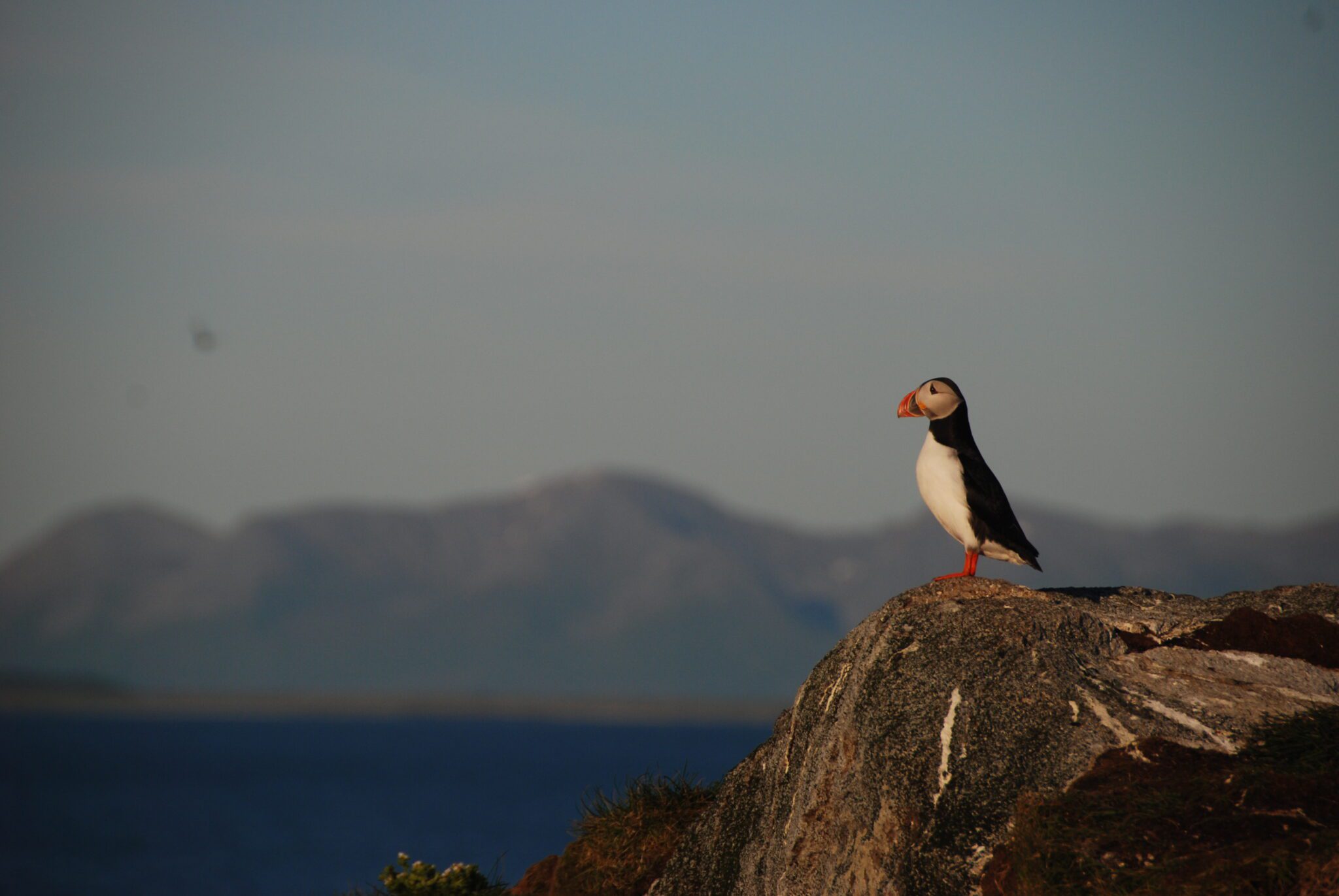
Photo © Signe Christensen-Dalsgaard
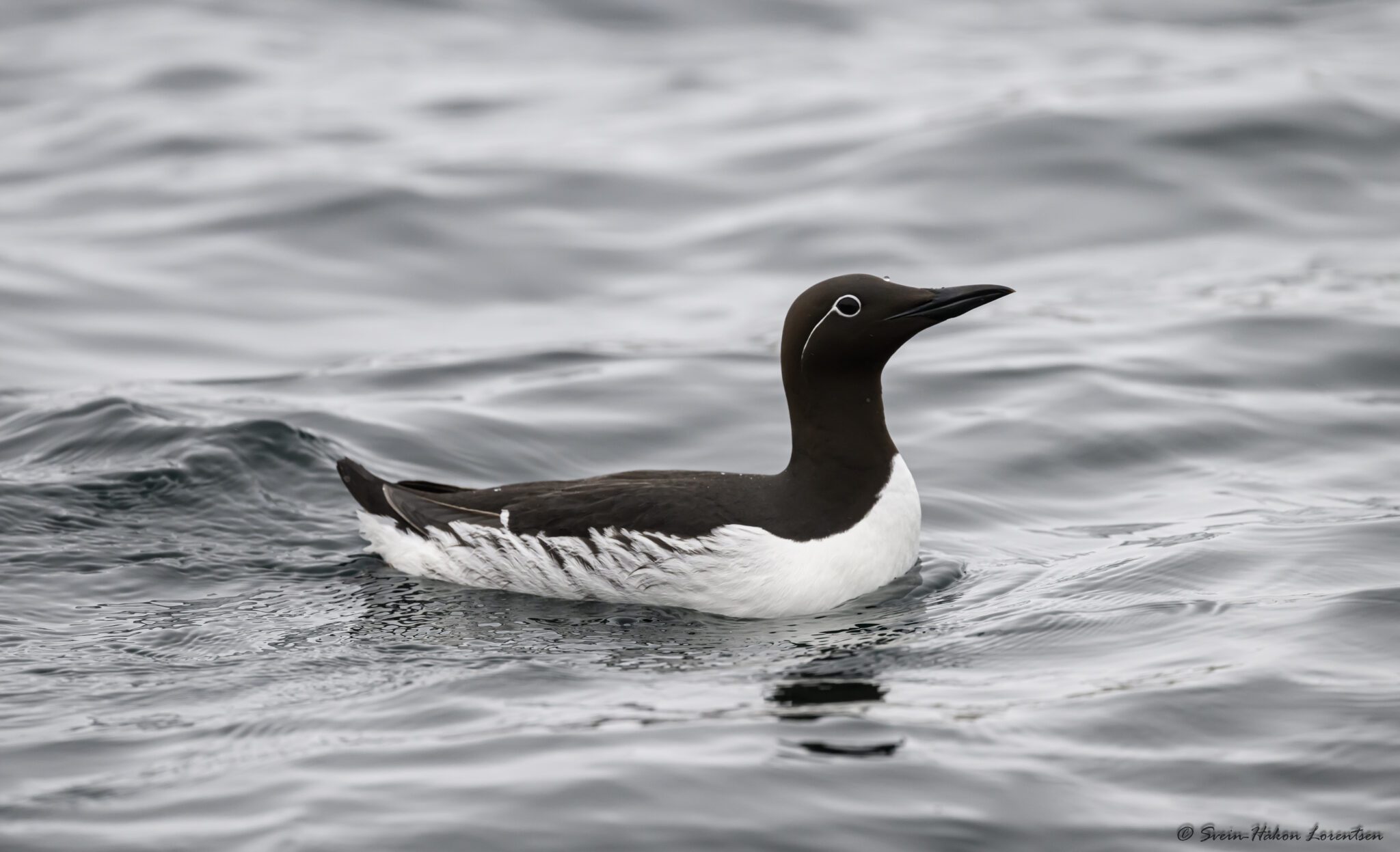
Photo © Svein-Håkon Lorentsen
Contact person: Tone Kristin Reiertsen, Norwegian Institute for Nature Research