

Genetic traces reveal how the Atlantic puffin has adapted to life in the north
A study published in Genome Biology and Evolution shows that different types of genetic variations can provide complementary information about how the Atlantic puffin has adapted to diverse environments. By analysing three types of genetic differences in the genome, the researchers found that each sheds light on different aspects of the species’ evolutionary history.
Compared two subspecies
The Atlantic puffin (Fratercula arctica) breeds both in boreal regions and far north in the Arctic. Two subspecies – F. a. arctica and F. a. naumanni – differ clearly from one another in both appearance and genetics. The Arctic subspecies is, among other things, larger, which may be an adaptation to colder environments.
Arctic ecosystems are changing rapidly, and improved knowledge about how species are genetically adapted to different environmental conditions is crucial for understanding how they may respond to climate change. Previous genetic studies of puffins have largely focused on a single type of genetic variation – single nucleotide polymorphisms (SNPs). In the new study, the researchers also examined two other types of genetic variation: structural variants (SVs) and short tandem repeats (STRs).
Extensive genome data
Whole-genome sequences from 18 puffins – six individuals from each of SEAPOP’s key sites on Røst, Bjørnøya and Spitsbergen were analysed. These represent both boreal and high-Arctic populations.
The three types of genetic variation were analysed using different bioinformatic methods. SNPs were examined with statistical methods capable of identifying genomic regions showing signs of natural selection. Structural variants – larger changes in DNA such as insertions or deletions – were mapped using several analytical tools. STRs, which consist of short DNA sequences repeated many times, were analysed because they often change quickly and can provide insight into more recent evolutionary processes.
The researchers then identified genomic regions that differed clearly between the populations and linked these to known genes to investigate which biological traits they might influence.
Genetic variations complement one another
The analyses showed that most of the genes identified as candidates for adaptation appeared in only one of the variant types. This suggests that the different forms of genetic variation encompass different biological signals.
Several of the genes are associated with traits such as body size, skeletal development, energy storage and sensory functions – characteristics that may be important for living in environments with large differences in temperature, light conditions and food availability.
Guide for future studies
The study demonstrates that different types of genetic variation offer distinct yet complementary perspectives on how species evolve and adapt to their environment. By combining analyses of SNPs, structural variants and STRs, a more holistic picture of evolutionary processes was obtained.
The results may also help identify so-called evolutionarily significant units – populations that are genetically distinct and therefore may be important to prioritize in conservation efforts.
At the same time, the study highlights a more general point: To understand how species adapt to a rapidly changing environment, it may be necessary to investigate several forms of genetic variation rather than focusing on just one.
Read the article:
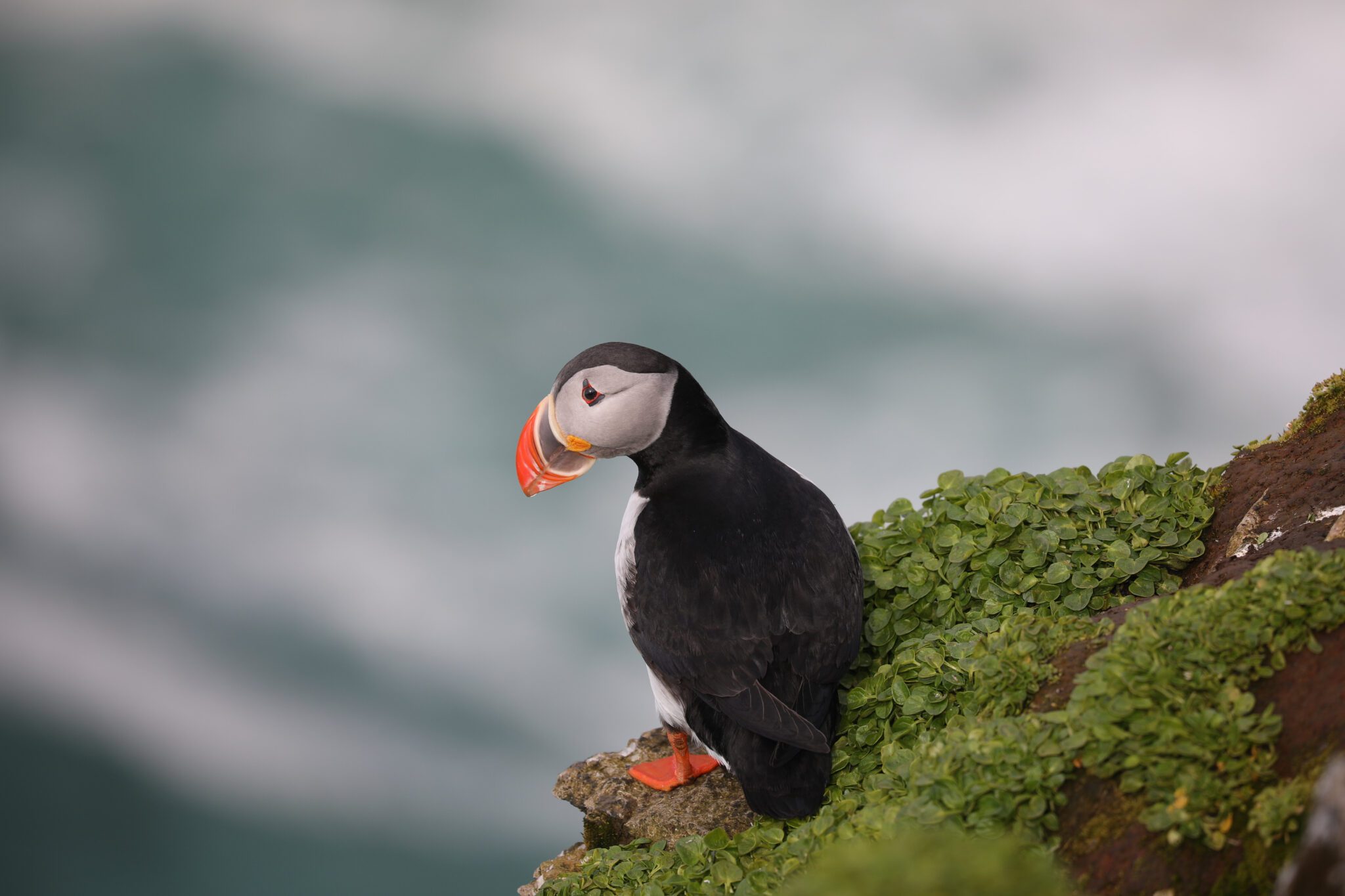
Photo © Hallvard Strøm
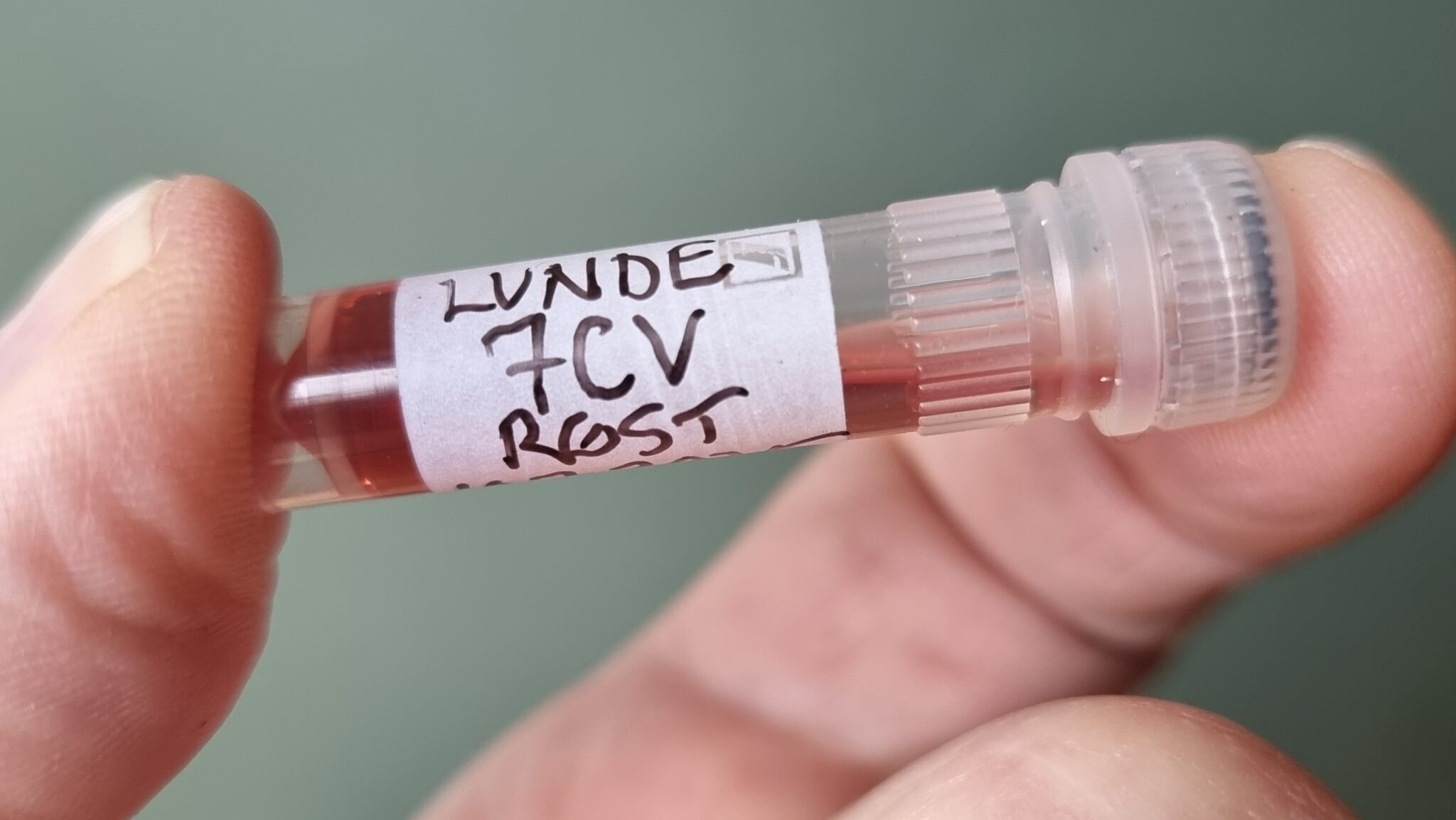
Photo © Tycho Anker-Nilssen
Contact person: Tycho Anker-Nilssen, Norwegian Institute for Nature Research