

Environmental stress affects all kittiwakes – but not to the same degree
A new long-term study of breeding black-legged kittiwakes (Rissa tridactyla) in the Arctic has examined how individual personality types relate to stress. The research reveals how personality, stress levels and fluctuations in the marine environment affect both breeding success and survival in this vulnerable seabird species.
Different “personalities” in birds
Personality plays a role in how animals handle stress. The more active and risk-taking birds – referred to here as “bold” – are predicted to be more tolerant of disturbances and prioritize reproduction, whereas “shy” individuals are predicted to be more cautious and sensitive to environmental disturbances, placing greater emphasis on their own survival. The researchers behind the study we’re presenting here followed the kittiwake colony at Grumantbyen on Svalbard, a site with around 20–40 breeding pairs, examining links between personality, stress levels, environmental change and important demographic variables.
A long-term study in an Arctic colony
Over eight years, they collected feathers that had grown on the kittiwakes during three different phases of the annual cycle – before, during and after breeding – to measure the birds’ individual levels of fCORT – a stress marker that provides a measure of the cumulative stress a bird has experienced during the period in which its feathers grew. They also conducted standardized tests to assess each bird’s degree of boldness/shyness.
At the same time, environmental variables were examined to understand how external factors such as food availability influenced stress responses. Two key factors were considered: the Atlantic Water Inflow (AWI) and the subpolar gyre index – both indicators of the productivity and stability of the marine environment.
Personality influences when stress occurs
The study revealed that the relationship between personality and stress varies strongly with the seasonal demands placed on the birds. For instance, fCORT levels indicated that bold birds were less stressed during and immediately after breeding than shy birds.
– Environmental conditions also proved to play a decisive role, says Sébastien Descamps, who is one of the researchers behind the study.
– Years with low AWI – which means lower marine productivity – resulted in higher stress levels during the breeding period. And when stress levels increased during breeding, chick survival dropped noticeably. This shows that unfavourable conditions in the ocean directly affect the birds’ breeding success.
A key finding was that even though bold and shy individuals experienced stress at different times, personality type did not influence the overall relationship between stress and body condition. Environmentally induced stress had negative effects regardless of personality. The harmful consequences of stress thus appear to be universal, even though bold and shy individuals might be affected via different pathways.
The entire population suffers under difficult environmental conditions
The study shows that individual kittiwakes experience environmental stress at different times and to varying degrees depending on personality, but that the consequences – poorer breeding success and reduced survival – affect all individuals. In a rapidly changing Arctic, where food availability and ocean conditions fluctuate more than before, such insights are crucial for seabird management and conservation.
Read the article:
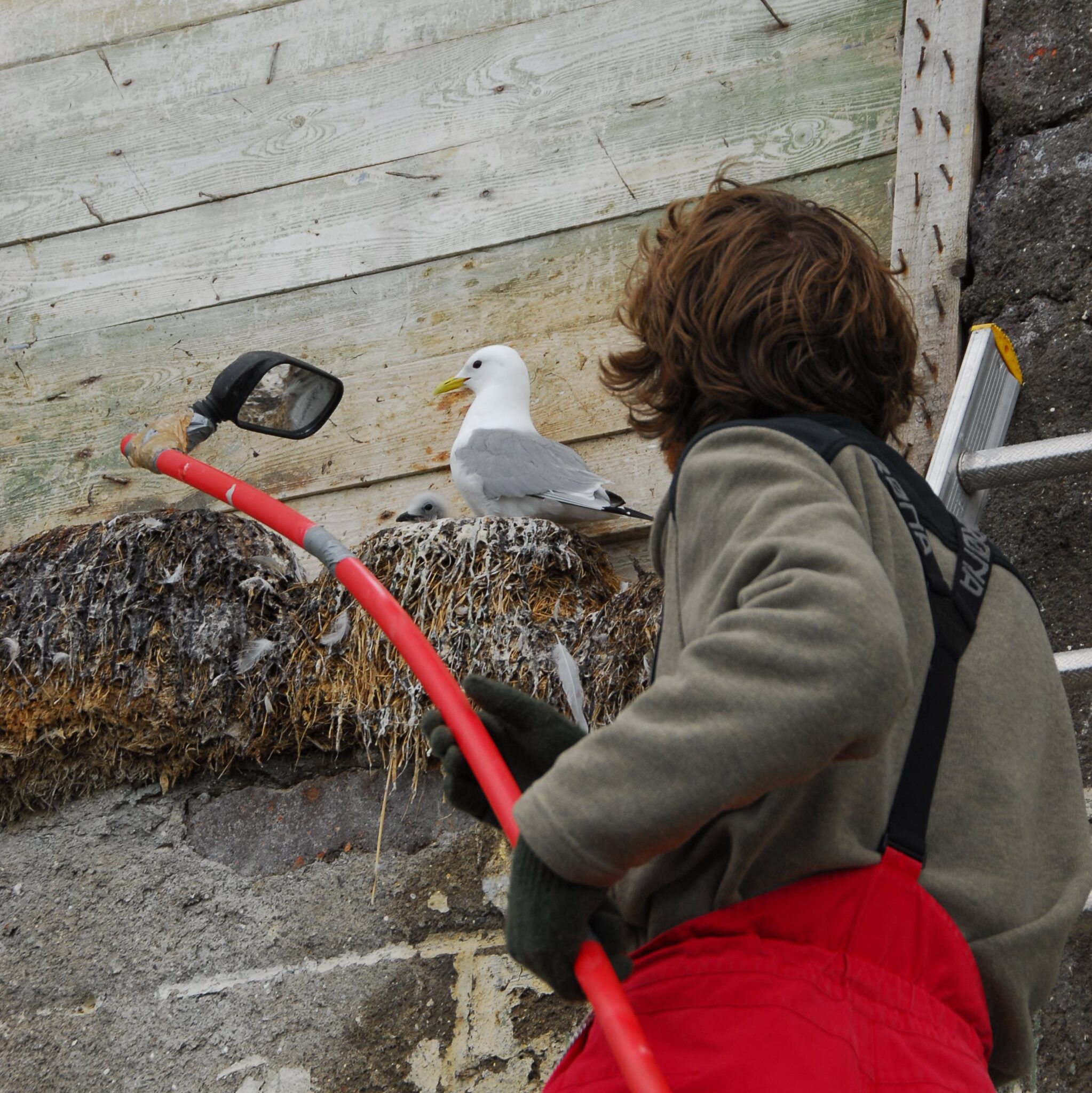
Photo © Sébastien Descamps
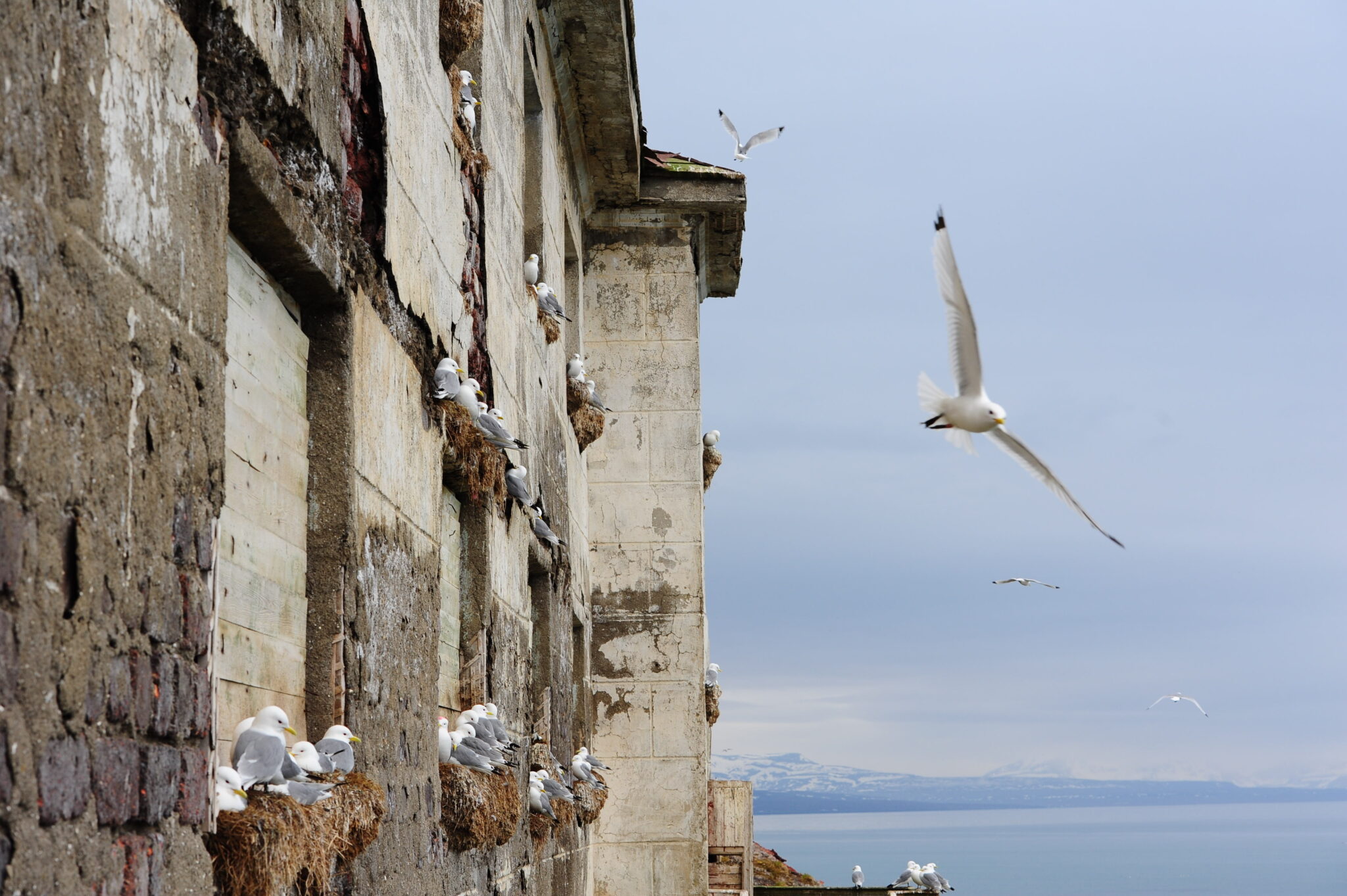
Photo © Sébastien Descamps
Contact person: Sébastien Descamps, Norsk Polarinstitutt