

Report from the seabird monitoring in Norway in 2025
The newly published SEAPOP annual report “Key-site monitoring in Norway 2025, including Svalbard and Jan Mayen”, presents the status of key seabird species breeding in Norway in 2025, and covers their breeding success, population trends, and adult survival rates.
Breeding success varied considerably
Breeding success in 2025 was highly variable between species and colonies. Pelagic surface-feeding species, including black-legged kittiwakes and northern fulmars, generally had moderate to poor breeding success, while large gulls breeding along the mainland coast performed somewhat better. Breeding success among pelagic diving species was mixed: common guillemots had good breeding success at several colonies, whereas Atlantic puffins generally performed poorly. Coastal diving species also had mostly moderate to poor breeding success.
Seabird populations declined overall
Between 2024 and 2025, 38% of the monitored seabird populations increased, while 42% declined. The overall population change was negative. Pelagic diving species had the highest proportion of increasing populations, while almost three-quarters of pelagic surface-feeding populations declined, a situation similar to the previous year.
The longer-term picture remains concerning. Over the last decade, almost 60% of all the monitored populations have declined, and of the four species groups monitored, only the pelagic diving seabirds show a steady trend. The results indicate a further deterioration in the overall status of Norwegian seabirds.
Read the report:

Photo © Signe Christensen-Dalsgaard
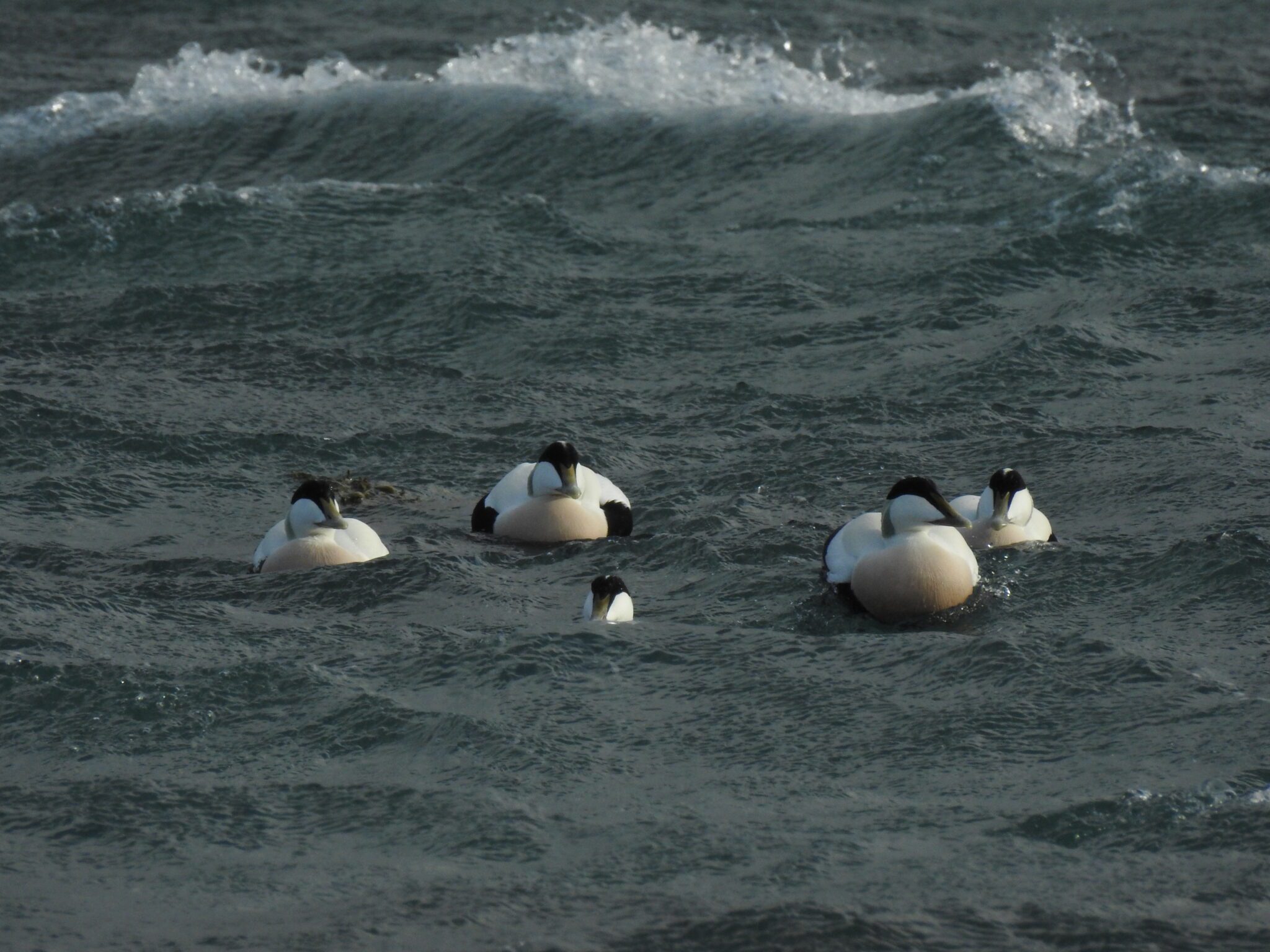
Photo © Nina Dehnhard
Contact person: Kjetil Sagerup, NINA