

Man-made toxins found in Atlantic puffins on Spitsbergen
For the first time, traces of man-made chemicals were documented in Atlantic puffins (Fratercula arctica) breeding as far north as Spitsbergen. The findings show that even in the Arctic, far from industrial emission sources, pollution reaches wildlife.
Persistant toxins
The Atlantic puffin is an iconic seabird and an important indicator species for environmental conditions in the ocean. Researchers from several institutes in Tromsø investigated whether these birds, living in an apparently pristine environment, carry traces of long-range transported pollutants. The study focused on three groups of substances: organochlorine pesticides (OCPs), polychlorinated biphenyls (PCBs), and per- and polyfluoroalkyl substances (PFAS) – the latter known as “forever chemicals” because they break down extremely slowly in nature.
Blood samples compared
Puffin blood samples were collected on Spitsbergen – the northernmost known breeding site for the species, and the results of the analyses were compared to data from other seabird species in the area, such as Brünnich’s guillemot (Uria lomvia) and little auk (Alle alle), as well as puffins caught in colonies further south.
Worrying, but not unexpected findings
The results were clear: all the substances investigated were detected in the Spitsbergen puffins. Levels of OCPs and PCBs were lower than those in puffins from the more southern colonies, while PFAS was documented for the first time in this species. Levels of all three toxin groups were similar to those in guillemots and little auks, but significantly lower than in glaucous gulls (Larus hyperboreus) and black-legged kittiwakes (Rissa tridactyla). No differences in pollutant levels were found between sexes.
Pollution reaches the Arctic
The contamination levels were considered low and below thresholds for harmful health effects. Nevertheless, the researchers emphasize that the findings are important.
– Arctic ecosystems are not closed systems; they receive pollution from human activities far away. With climate change and increasing global chemical use, exposure may change over time, and therefore continuous monitoring is recommended, says researcher and co-author of the study, Sébastien Descamps at the Norwegian Polar Institute.
The study provides important insight into how man-made substances spread to even the most remote ecosystems. The puffin thus becomes not only a symbol of the Arctic but also a sentinel of our global impact.
Read the article:
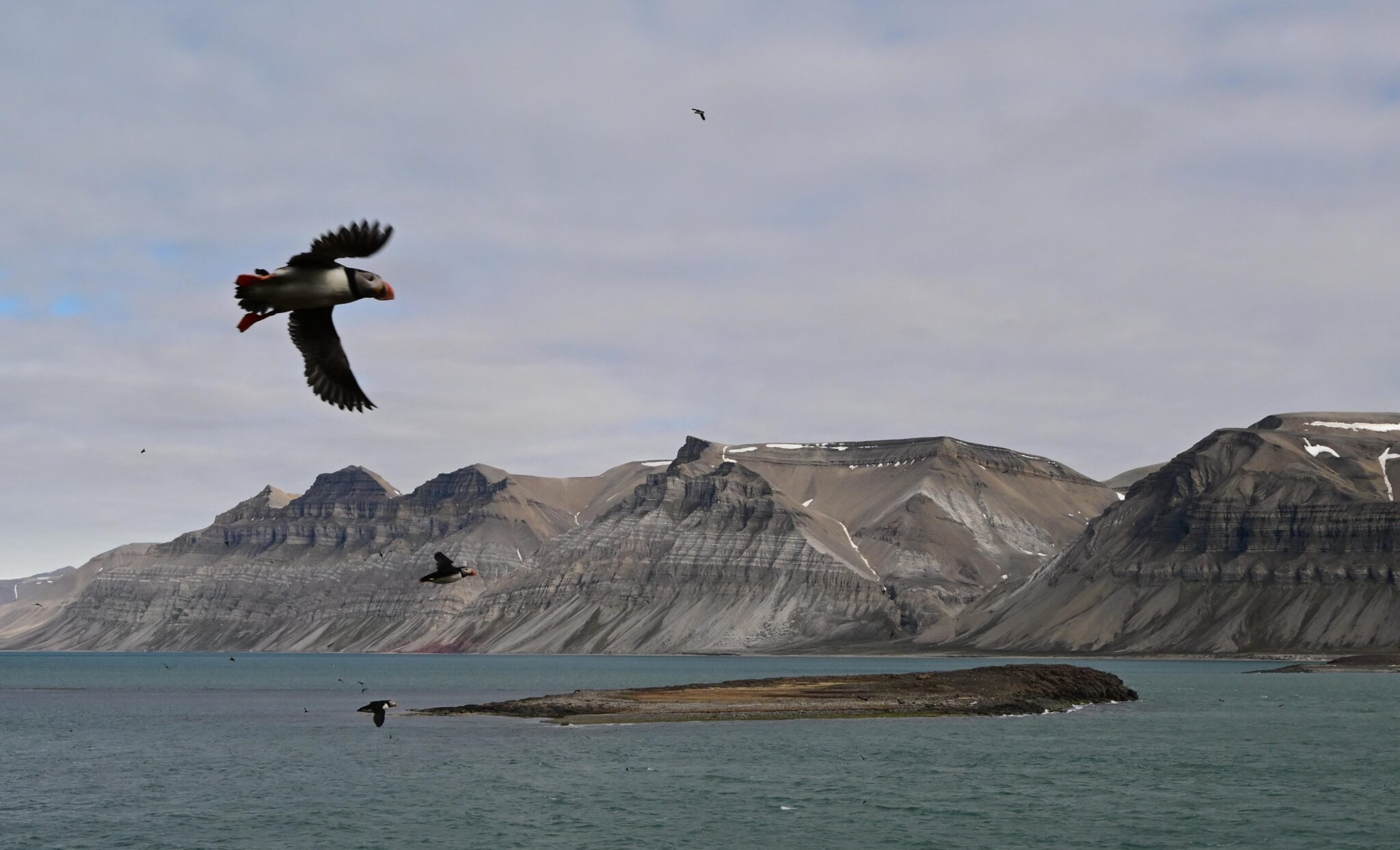
Photo © Sébastien Descamps
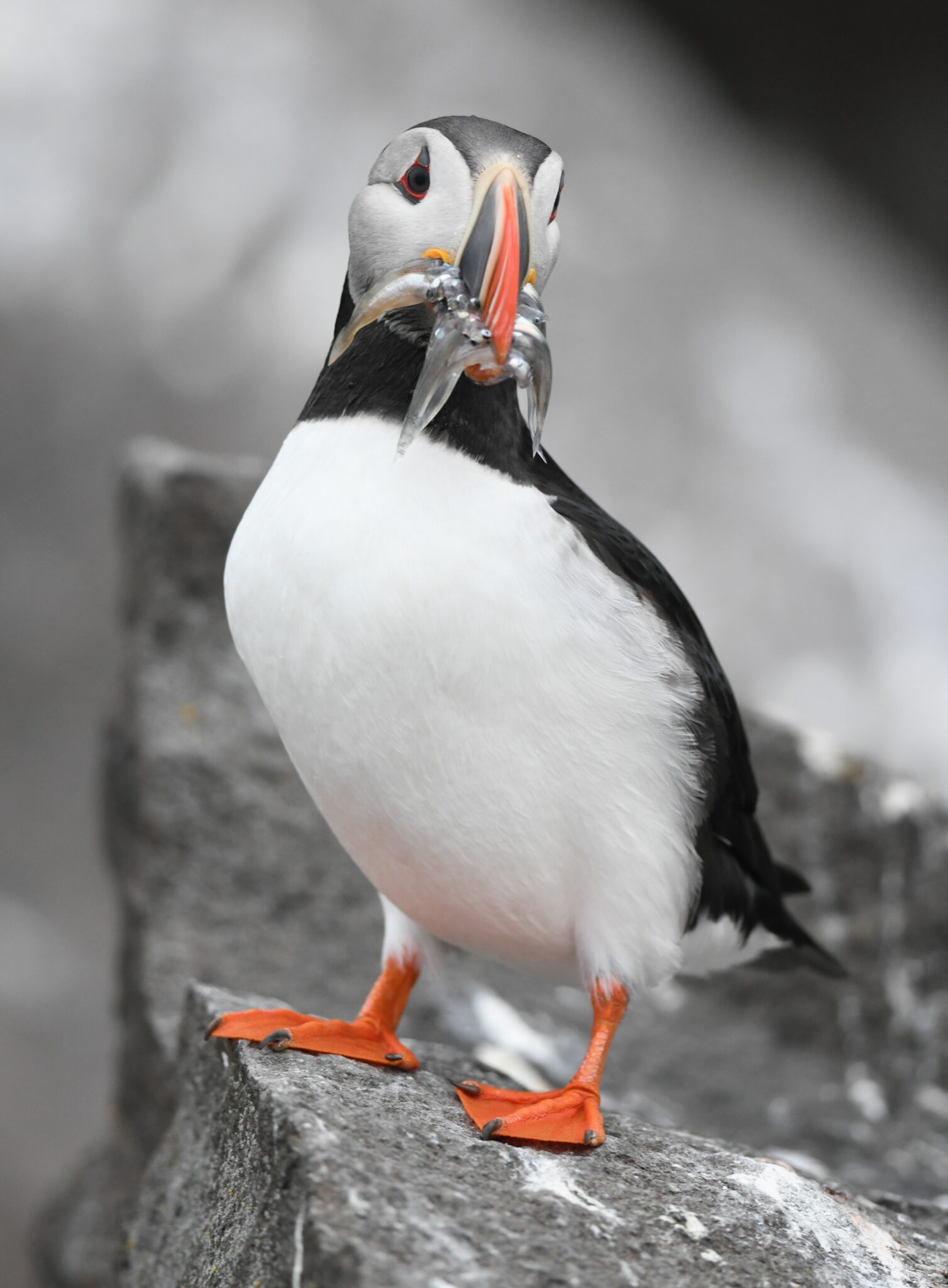
Photo © Sébastien Descamps
Contact person: Sébastien Descamps, Norwegian Polar Institute